Frukt Coffee
- Puutarhakatu 8, 20100 Turku, Finland
- Closed on sunday, monday, tuesday, wednesday.
- (84 reviews)
My personal cheat sheet to help you better understand, buy, and enjoy coffee. With a few roaster recommendations in Finland. This is an April Cools' entry, sincere content I spent way too much effort on, outside my usual domain.
6 April 2026 – Goulven CLEC'H
The pandemic has changed our morning coffee. By revealing how deeply our daily routines impact our mental health and well-being, it inspired many of us to explore speciality coffee for the first time.
Two years ago, to show that it can be much more than a bitter wake-me-up, I shared my own journey in Discovering Coffee in Toulouse. Since then, I’ve continually been amazed by all the passionate people, amazing events, and delicious coffees I’ve encountered. Even more gratifying, my beginner’s gear recommendations have encouraged a few friends to dive into this fascinating world.
Yet, I understand that speciality coffee can seem intimidating, filled with obscure terms and concepts that might seem a bit snobbish. That’s why I’ve gathered here my personal cheat sheet, to help you better understand, buy, and enjoy coffee.
I hope you find it helpful!
The earliest mention of coffee dates back to the 10th century, when Yemen’s Sufis imported it from Ethiopia,1 and used it to stay awake during long prayers. From there, despite initial religious suspicion, coffee culture quickly took root across the Middle East and the Ottoman Empire, eventually reaching Europe in the 17th century. Coffeehouses flourished in their capitals, becoming meeting places for political debate and artistic exchange.
During the colonial era, European powers smuggled coffee plants out of Arabia, and established plantations across the tropics: the Dutch in Java, the French in the Caribbean, and the Portuguese in Brazil, which quickly became the world’s largest producer.
In what we now call the first wave (19th to mid-20th century), coffee became a mass-market product driven by industrialisation, with instant coffee and canned grounds becoming household staples, especially through brands like Nescafé and Maxwell House. Most brewing methods we know today (siphon, French press, moka pot, percolator, and drip filter) were either invented or popularised during this period. Dark roasts dominated the flavour profile, emphasising boldness over nuance.
In the second wave (starting in the late 1960s to the early 2000s), coffee evolved into a cultural experience. Chains like Starbucks popularised milk-based beverages, such as lattes and cappuccinos, and romanticised origins and roast profiles. It was also the birth of the single-serve capsule, notably with the Keurig B2000 in the late 1990s, transforming office coffee culture. Coffee shops became social spaces, and drinking coffee turned into a lifestyle.
Finally, the third wave (since the early 2000s) is the emergence of speciality coffee. This era emphasises transparency, traceability, lighter roasts, and precision brewing to reveal each origin’s distinct character. Ethical sourcing and direct trade became central themes, along with a scientific approach to extraction.
Today, some suggest we’re entering a fourth, fifth, or even sixth wave, shaped by new technologies, controlled fermentation, climate change, and scalability concerns. While I won’t go into those debates, they reflect coffee’s ever-evolving journey.
Coffee cherries, the fruit containing our precious beans, grow on trees from the Coffea family, whose main representatives are Coffea arabica and Coffea canephora (commonly known as robusta). Other species make up only a small percentage of global coffee production.2
Coffea arabica requires a relatively warm climate without frost, but with abundant rainfall, good ventilation, and cool nights. These conditions are primarily found at higher altitudes, in mountains or tropical plateaus, as well as on some islands within the coffee belt (between the Tropics of Cancer and Capricorn). This climate slows cherry maturation, promoting the development of fine and complex aromas.
Less demanding, robusta coffee grows at lower altitudes (from sea level up to 800 metres) where temperatures can reach up to 30 °C. It also withstands higher humidity, diseases, and climatic variations. These traits make robusta well-suited to hot and humid tropical plains, particularly in West Africa and Southeast Asia. But less aromatic and higher in caffeine, robusta is primarily used to cut costs in industrial coffee blends.
Harvests can be handpicked—essential for speciality coffee—or mechanical, quicker but less precise. After harvesting, cherries undergo processing, a critical step that shapes the coffee’s final flavour profile, where they can be depulped, fermented, rinsed, and dried in various ways (more on this later). The drying process typically involves spreading cherries or beans on raised beds, patios, or mechanical dryers, carefully managed to achieve consistent moisture levels essential for quality.
Once processed, what has now become green coffee is carefully sorted and selected based on quality criteria such as bean size, density, and defect levels. Speciality coffee buyers often visit farms or cooperatives directly to taste and evaluate beans before purchase. Beans are then packaged and transported (usually by sea) to roasters around the world.
Roasters subject green coffee to controlled heat (180–230 °C) to trigger Maillard reactions, transforming a dense, grassy bean into a brown, aromatic one. They steer this process via a roast curve plotting bean temperature over time, modulating the rate of rise through the drying, yellowing, and then first crack (~200 °C) phases, after which a short window locks in the desired profile.
If roasting continues past first crack, the second crack (~225 °C) fractures the bean further, pushing oils to the surface and yielding a dark, bitter cup that masks origin character. Beyond that, pyrolysis takes over, the bean carbonises, and past ~250–260 °C chaff and oils can spontaneously ignite, definitely ruining your morning brew.
The beans are then rapidly cooled (3–5 min, by air stirring) to halt reactions immediately and avoid residual baking that would flatten the flavour profile. Roasted coffee off-gases CO₂ for 2 to 14 days, hence packaging in bags fitted with a one-way valve, and is ideally consumed within the following weeks.
Often, people visiting speciality coffee shops for the first time are surprised to see an espresso priced over 2 €, compared to the 1.50 € they’d pay at a chain, or 0.50 € at a vending machine. But considering the steps, the people involved, and kilometres travelled, how can coffee remain this cheap and still be sustainable? It simply can’t.
After the collapse of the International Coffee Agreement’s quota system in 1989, the removal of export quotas unleashed massive stockpiles and encouraged aggressive production expansions, especially in Brazil and Vietnam. This surge drove coffee prices to historically low levels, often below production costs.3 Although occasional price spikes occurred due to severe weather events,4 coffee prices have consistently failed to keep pace with global inflation. As a result, real prices steadily declined over three decades, creating an economic crisis for millions of smallholder coffee farmers, especially in Latin America and Africa.5
Despite this « silent crisis », no global coffee price crisis visibly disrupted consumer markets before the COVID-19 pandemic. By 2025, coffee prices had surged to historic highs due to climatic, economic, and geopolitical factors. Climatically, the 2021 severe frost in Brazil, the 2023 drought in Vietnam, and the 2023 heavy rains in Indonesia significantly reduced coffee yields, especially for robusta. Economically, sustained global demand, heightened market speculation, and rising costs for fertilisers, energy, and shipping—exacerbated by the conflicts in Ukraine and the Middle East—further inflated prices.6
Although a moderate price easing is anticipated beyond 2025, the long-term outlook remains volatile due to ongoing climate risks and sustained demand growth, especially in emerging markets (e.g. China, India).7
But this price volatility doesn’t mean that farmers are benefiting from higher prices. The deeper structural issue is that value-adding activities happen almost entirely in consuming countries, while producing countries export a raw commodity with razor-thin margins.8 Certification schemes like Fair Trade promised to bridge this gap, but the most rigorous study to date shows modest results, with limited adoption due to their administrative burden and limited market demand.9
Of course, speciality coffee isn’t immune to these challenges. But by prioritising quality over quantity, speciality coffee creates mechanisms for a healthier market: direct relationships that bypass intermediaries, prices above the commodity market floor, and incentives for careful farming practices. Yet how much of this actually reaches the families who grow coffee remains poorly understood, as research on speciality coffee’s real impact on farmer livelihoods is still scarce, and the evidence so far is fragmented.10
Still, I believe these mechanisms are worth supporting, and that starts with paying the fair price for your cup of coffee.
In addition to being economically and environmentally sustainable, coffee must also be safe for us. And if caffeine was once feared and wrongly blamed for a range of health issues, over the past two decades, scientific research has brought a major shift in how coffee is viewed nutritionally.
Large-scale studies and meta-analyses suggest that moderate coffee consumption (defined as 2 to 4 standard cups a day, with 80–100 mg of caffeine per cup) is linked to a lower risk of several chronic diseases,11 including type 2 diabetes,12 heart disease,13 depression,14 and even some forms of cancer.15 There’s also growing evidence that regular coffee drinkers may have a reduced risk of neurological disorders like Parkinson’s disease.16
These associations don’t necessarily prove that coffee causes these health benefits, but the consistency of the findings across many different populations and study designs makes the evidence quite robust. Researchers also point to biological mechanisms that may explain these effects, including the antioxidant, anti-inflammatory, and insulin-sensitising properties of compounds naturally present in coffee.
Of course, coffee isn’t risk-free. It can interfere with your sleep,17 increase anxiety,18 and raise the risk of miscarriage during pregnancy.19 But for the average healthy adult, the current consensus is clear: coffee is more likely to benefit your health than to harm it.20
When you start any food or beverage journey, it’s easy to feel intimidated or self-conscious. We’ve all seen those videos where a wine taster—after a near-liturgical sequence of swirling, sniffing, and sipping—magically pinpoints the exact region and vintage, and describes it with a florid flood of adjectives.
But when you demystify this image, you realise those ritualised steps are simply techniques professionals use to improve consistency between tastings, to help comparisons. Then, thanks to their daily exposure to numerous wines, sommeliers can identify and interpret all the subtle clues that make each wine unique: strong tannins paired with vibrant colour might suggest youth, while higher alcohol levels and tastes of jammy fruits can point to warmer climates, etc. Finally, the complex vocabulary they employ is simply professional jargon, a specialised language like all fields have, allowing experts to communicate precisely and efficiently.
Yet, few of these advanced skills are essential for amateurs. While training your palate can help clarify your preferences, you certainly don’t need exhaustive regional knowledge. Similarly, improving your ability to articulate your experience makes sharing your passion more enjoyable, but you don’t need professional-level precision.
Ultimately, developing your tasting skills should mainly be about enjoying your coffee, and sharing that pleasure with others!
To better understand that tasting process, it’s essential to clearly distinguish between « taste » and « aromas ». Simply put, taste refers to the basic sensations perceived by our tongue (sweet, sour, salty, bitter, and umami).21 On the other hand, aromas are perceived through our nose, capturing the volatile compounds that give coffee its rich, layered bouquet—those floral, fruity, nutty, or chocolaty nuances we love.22
Together, taste and aromas form what sensory science calls « flavours ».23 But flavours are even broader: they’re a blend of our direct sensory impressions combined with the context and experience around the drink. When you sip your coffee, everything from temperature and texture to your mood, expectations, the setting, and even your genetics and cultural background influence your perception.24 Drinking an espresso in a lively café among friends can taste profoundly different from drinking the exact same coffee alone, at home.25
This complexity explains why, in speciality coffee as in wine tasting, we describe « notes ». When we speak about notes of strawberry, caramel, or jasmine, we don’t mean the coffee literally tastes exactly like those foods. Instead, we’re referencing memory snapshots of those flavours, subtle reminders or echoes that our brain associates with previous tasting experiences.
These notes become clearer and more precise with practice. Regularly and mindfully tasting and comparing different coffees enriches your sensory vocabulary, enhancing your ability to detect subtle aromas, recall flavour memories, and express your experience in words.
Much like the wine tasting ritual mentioned earlier, cupping is the standardised sensory evaluation protocol that coffee professionals use to assess lot quality, select beans for purchase, and verify roasting consistency. If you’re lucky enough to live in a city with an active speciality scene, roasters and associations regularly organise free public cuppings anyone can join. They’re one of the best ways to learn about the tasting process, explore flavour profiles, and discover new coffees.
The most widely used protocol is the one defined by the SCA.26 Coffee is coarsely ground into tempered-glass or ceramic bowls (207–266 ml), at a ratio of 8.25 g per 150 ml of water at 93 °C. Several bowls per coffee can be prepared to check the lot’s uniformity.
The protocol unfolds in three stages. First, the fragrance: you smell the dry grounds before any water is added. Then, the infusion: hot water is poured directly onto the grounds, which steep for 3 to 4 minutes and form a crust on the surface, then you break it with a spoon, leaning in to capture the aromas released. Finally, the tasting: after skimming the surface, you vigorously slurp the coffee from a spoon to spread it across the entire palate, and repeat at several temperatures, because acidity, sweetness, and body evolve noticeably as the coffee cools. The whole session is conducted blind, with no information about the coffees being evaluated.
As an amateur, the most important thing to understand is that there are no right or wrong answers. You’re there to enjoy the opportunity to taste something new, and to use comparison to better understand your own preferences. Don’t be discouraged if the first bowl doesn’t reveal anything obvious, cupping is all about comparison. Move to the second bowl and ask yourself: which one do I prefer? Is it more acidic? More bitter? Sweeter? More fermented?
From there, you can try to put words on what you taste. If it’s acidic and sweet, is it fruity? Like stone fruits or berries? If it’s more acidic than sweet, is it more like citrus or like vinegar? If it’s more bitter than sweet, is it more like chocolate or like burnt toast?
The simplest way to discover speciality coffee is to type « speciality coffee » on Google Maps (or your favourite map app) and find the nearest coffee shop. They usually don’t look like your traditional café, but don’t be intimidated: they’re often small but cosy, with service at the counter, and a selection of pastries and light meals. They’re designed to be welcoming spaces where you can relax, work, or meet friends.
If you’re not sure what to order, don’t hesitate to ask the barista for recommendations. They are usually very friendly, passionate about coffee, and happy to share their knowledge. But let’s cover the basics to help you navigate:
| Beverage | Schema | Description |
|---|---|---|
| Also called single shot. Concentrated, intense, full-bodied, served in a small cup (20~30ml). It’s the base for many other coffee drinks. Stir it before drinking! | ||
| Also called double shot or doppio. As an espresso machine brews two shots at once, this is the full result. Served in a small cup (40~60ml). | ||
| An espresso brewed with more water, served in a small cup (30~40ml), milder flavour but more caffeine. Can sometimes be a regular espresso served with a small glass of hot water. | ||
| A double espresso diluted with hot water, served in a glass or a cup (120~150ml). Becomes a long black if the coffee is poured over the water. | ||
| Also called batch brew. Coffee brewed in a large batch using a drip coffee maker, served in a glass (120~150ml). Less intense but more refined than espresso. | ||
| Also called pour-over, can be V60, Chemex, Kalita, etc. Coffee brewed by hand using a filter, served in a small carafe (200~300ml). More delicate and aromatic than espresso. | ||
| A single espresso with a small amount of steamed milk (1:0.5~1:2 ratio), served in a small cup (30~60ml). Can sometimes be an espresso with a spoon of milk foam on top. | ||
| Also called piccolo or gibraltar. A single espresso with various amounts of steamed milk (1:1~1:4 ratio), served in a small glass (50~120ml). | ||
| A double espresso with a large amount of steamed milk (1:2.5~1:4 ratio), served in a glass or a cup (150~200ml). | ||
| A single espresso with a larger amount of steamed milk (1:5~1:7 ratio), served in a cup (150~200ml). | ||
| A single espresso with the largest amount of steamed milk (1:10~1:15 ratio), served in a large cup or a large glass (200~300ml). | ||
| A single or double espresso poured over a scoop of vanilla ice cream, served in a cup. Dessert-like drink. | ||
| Coffee brewed with cold water over a long period (12~24 hours), served in a glass (120~150ml). Often served with ice, less bright and more mellow than filter coffee. | ||
| Similar to a handbrew V60, but brewed with a smaller amount of hot water, poured over ice to chill it quickly. More aromatic and complex than cold brew. | ||
| Similar to a latte, but served cold with ice. Becomes a frappé if blended or shaken, giving it a frothy texture. Served in a large glass (200~300ml). |
Beverages:
Schema: Coffee, Milk, Water, ice, or ice cream.
Alcoholic and chocolate-based beverages are not included.
In third-wave coffee shops, you can expect most milk beverages to be made with micro-foamed milk (steamed milk with a velvety texture and tiny bubbles), usually topped with latte art. You can also expect alternative options such as oat, almond, or soy milk.
In more traditional cafés, the milk typically separates into two layers: a thick cap of large-bubble foam on top, and liquid milk beneath.27 For some beverages, the foam layer may be thicker (cappuccino) or thinner (flat white). Latte art is often absent or replaced by a dusting of cocoa powder. In French or French-inspired cafés, milk is often not steamed; a macchiato becomes a « café noisette » (referring to its hazelnut colour), a flat white becomes a « café crème » or « café au lait », and cappuccinos often have chocolate milk or even whipped cream. Generally, these dated elements are not a sign of quality coffee…
Finally, coffee shops almost always offer non-coffee beverages, such as teas, hot chocolates, chai, matcha… Or even cascara, an infusion of dried coffee cherries, which has a fruity and slightly sweet flavour!
You can buy speciality coffee online, including some subscription services that send you a different roaster’s selection each month, the best option if you don’t have access to a vibrant local scene.
But living in a city, I prefer to buy my coffee in person, for the social aspect and the opportunity to ask questions and get recommendations. I avoid supermarkets and convenience stores, as they almost exclusively stock low-quality, industrial coffee. Instead, when I arrive in a new city/region, checking « speciality coffee » on Google Maps is usually enough to find a good selection of local cafés and roasters. There are also dedicated websites, such as European Coffee Trip, which are more selective but sometimes outdated.
Once you’ve found a good coffee shop, baristas are generally happy to point you towards other shops or roasters in the area. And if you enjoy a particular local roaster, many of them have a retail counter where you can taste/buy their coffees, and they’ll gladly tell you which cafés and restaurants they supply.
When I’m in front of a roaster’s shelf, before digging into a label, I scan the bag for few quick cues that tell me it’s worth a closer look:
| Description | |
|---|---|
| Precise origin | More than just a country, but a region, a farm, or even a lot. Indicates a transparent supply chain and a single origin coffee. |
| Variety | Not useful for the average consumer, but indicates a transparent supply chain and a single origin coffee. |
| Processing method | Indicates the coffee’s flavour profile, and the care taken in its production. |
| Roast date | Indicates the coffee’s freshness. Industrial coffee often has a « best before » date, which is not the same. |
| Resealable zipper | Coffee is sensitive to air, light, and moisture. A resealable zipper helps preserve freshness. |
| Gas release valve | Freshly roasted coffee releases CO₂. A gas release valve allows it to escape without letting air in. |
| Notes | If related to fruits, flowers, desserts, dairy products, or alcohols. Indicates a clean and complex coffee. |
Some cues aren’t automatically good or bad, but are worth noting:
| Description | |
|---|---|
| Intensity scale | Purely subjective, and often misleading. |
| Roast colour | Somewhat subjective, and often misleading. |
| Altitudes | Useless information, and often misleading. |
| Blends | Can be great, but often used to hide low-quality coffee. |
| Notes | If related to chocolate, caramel, nuts, spices, or sweetness. May indicate a burnt coffee. |
On the other hand, a few signals almost always make me put the bag back on the shelf:
| Description | |
|---|---|
| Robusta | A low-quality coffee, often used to cut costs. |
| Ecology or sustainability labels | Not bad in itself, but their expensive price and administrative burden make them limited to large industrial producers. |
| Tradition | A strong marketing argument around tradition or heritage. (e.g. « since 19xx ») |
| Masculinity | A strong marketing argument around masculinity and virility. |
| Notes | If related to « dark », « intense », « strong ». Indicates a burnt and low-quality coffee. |
To help you better understand, let’s take a look at three labels from different roasters:
The first one is from Frukt Coffee Roaster, a local speciality roaster in Turku, Finland. It checks all the green flags, from the resealable zipper to transparent supply chain, which shows the roaster’s commitment to quality and sustainability. This is expected from premium speciality roasters, and you can almost always trust them to deliver a great cup of coffee.
The second one is a more complex case. It came from Coffee Lab (a local roaster in the suburbs of Toulouse, France) and clearly has a lot of orange flags, and even robusta! But we also see quality packaging (resealable zipper, gas release valve) and transparent information (roast date, processing method, region)… You’re probably dealing with a decent or even good roaster, but this specific coffee in their lineup is aimed at a non-enthusiast or professional audience, which expects a more « traditional » coffee. This is more likely in the suburbs or countryside, where the speciality customer base is smaller.
The last one is a typical industrial coffee label in France. It has a lot of red and orange flags, but more importantly, it has no green flags. None of the information is useful to understand the coffee. It’s a blend, with no origin, no processing method, and no roast date. This is a clear sign of low-quality coffee, and even worse mornings.
Once you’ve identified some promising coffees, you can start exploring their flavour profiles through the notes provided on the label. Of course, you can simply choose whatever sounds appealing to you at the moment, but you can also kind of « reverse-engineer » the notes to better understand some of the coffee’s characteristics.
For example, if you imagine a scale like citrus / berries / stone fruits / tropical fruits, you can expect more acidity on the left, and more sweetness while moving to the right. Similarly, honey or caramel notes suggest a full-bodied coffee with some sweetness, while butter or other dairy notes indicate a full-bodied cup with a more lipid texture. Nutty or chocolate notes often suggest a more bitter profile with some sweetness, but often with less flavour complexity.
Another important indicator is the processing method, which (as said earlier) refers to how coffee cherries are handled after harvesting, and can significantly influence the final flavour profile. Here are the most common methods you’ll encounter:
Additionally, you can come across specialised fermentation techniques,28 which are increasingly popular among speciality roasters, even if I’m personally not a huge fan. These methods are used to create unique and « funky » flavour profiles, while adding more value for the farmers/cooperatives (by adding a transformation step on their side), but also completely hide the original flavours of the beans. Here are some of the most common:
| Techniques | Description |
|---|---|
| Cherries sealed in oxygen-free tanks to intensify fermentation, with tropical fruits or fermented beverages notes. | |
| Cherries sealed in oxygen-free tanks flushed with CO₂, wine-like maceration with candy-like notes. | |
| Cherries sealed in oxygen-free tanks flushed with N₂, clean and bright acidity. | |
| Cherries washed with nitrogen-saturated water, didn’t taste enough to describe. | |
| Selected wine/bread yeasts added to guide fermentation kinetics, varies widely depending on yeast strain. | |
| De-pulped coffee inoculated with lactobacillus at low temperature, creamy sweetness (yogurt / butterscotch) and softened acidity. | |
| Aspergillus oryzae mould inoculated to enhance umami and sweetness, rich and savoury notes reminiscent of miso or soy sauce. | |
| Beans undergo hot-then-cold water « shock » during/after fermentation, jammy fruity notes and heightened sweetness. | |
| Cherries frozen or held near 0 °C mid-process, slowing microbes and concentrating sugars, candy-like. | |
| Fruit pulp or purée added to the fermentation tank, intense infused fruit notes, sometimes a bit « artificial ». | |
| Cacao purée added to the fermentation tank, intense chocolate notes and perfumed aroma. |
Legend:
Some coffees made for competitions are often processed with a combination of these techniques,29 like a double anaerobic fermentation with fruit infusion, or a thermal shock followed by a yeast inoculation… While these coffees can be incredibly complex and unique, with an amazing extraction potential, they can also be quite expensive and not always available in your area.
For making coffee at home, I still stand by the recommendations from my previous entry. You don’t need to buy a lot of equipment, nor fancy stuff, but good quality equipment that is simple and reliable.
From there, the first step is to nail your brew by adjusting a few variables:
| Default | Adjustments |
|---|---|
| Grind coarser and/or brew shorter and/or slightly cooler water. | |
| Less coffee per water ratio. | |
| Grind finer and/or brew longer and/or slightly hotter water. | |
| More coffee per water ratio. | |
| Try another process. | |
| Try another process. | |
| Check freshness and/or try another roaster. |
Legend:
Once you’ve got a successful brew, you can start asking yourself more subjective questions: Do I really like it? What do I like about it? What do I dislike about it? How does it compare to other coffees I’ve tasted?
One way to both train your palate and better appreciate your coffee is to read the tasting notes on the label, and try to understand what the roaster meant. You can reverse-engineer them with the tips explained in previous sections, or even place the mentioned foods in a bowl, smell them, then taste your coffee to see if you can make the connection. It’s a very fun exercise, often practised by apprentice sommeliers.
In my previous article, I recommended some of my favourite coffee roasters in Toulouse, France. Since then, I’ve explored Finland and fallen in love not only with the country, but also with its vibrant coffee scene and ultra-light roasts. Here are some of my favourite spots, but keep in mind that this is not an exhaustive list!30
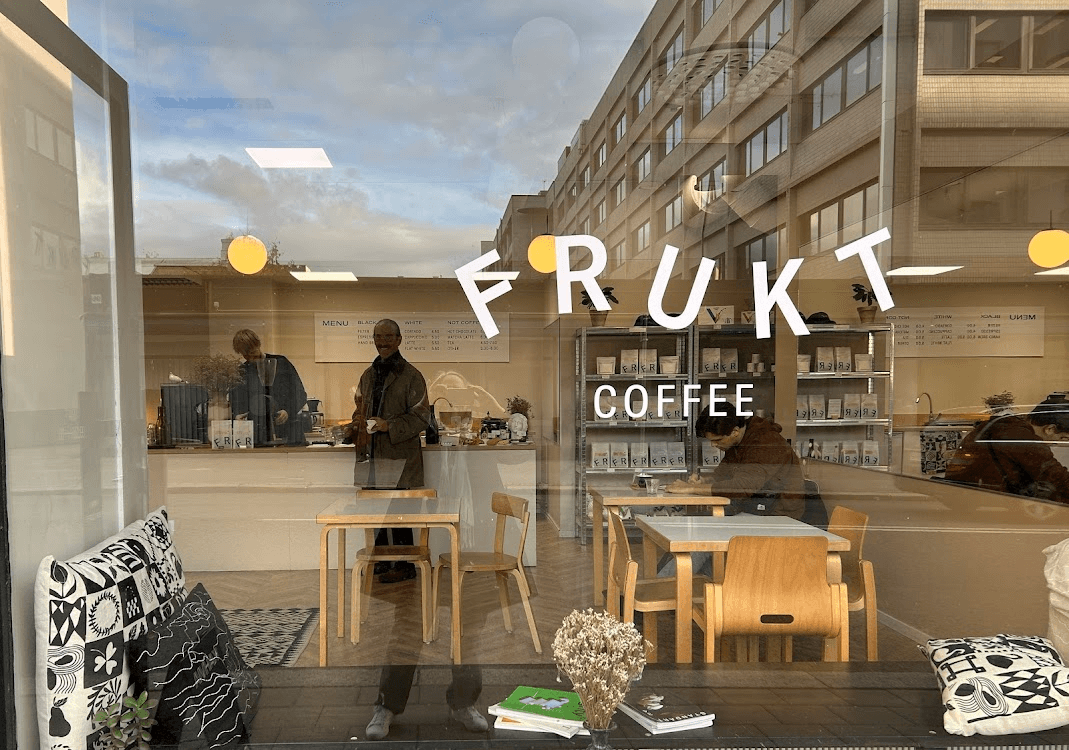
With their new coffee shop located halfway between the train station and the city centre, Frukt Coffee is a must-visit in Turku. Samuli and Miska are truly passionate and lovely people, and offer exceptional hand-brewed coffees from Latin America,31 with a strong emphasis on quality and sustainability. The pastries and atmosphere are also nice, even if the place is a bit small.
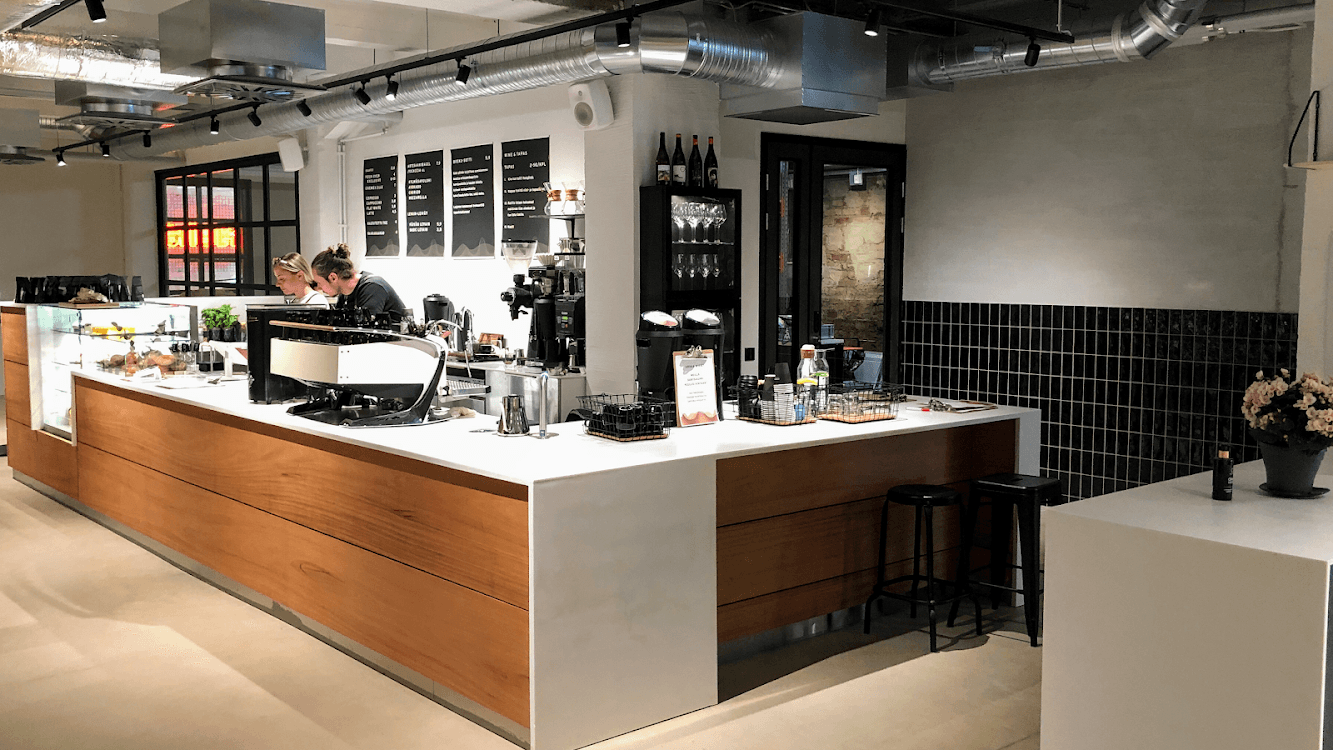
Between two Grands Prix, Valtteri Bottas invested in Kahiwa Coffee Roasters, a local roaster in Lahti. And with their diverse selection of coffees, amazing pastries, and cosy atmosphere, I understand why! The barista was super fun to talk with, and I really loved their aeropress competition coffees. I didn’t try their new « Piano » coffee-wine-restaurant place yet, but it looks very promising.
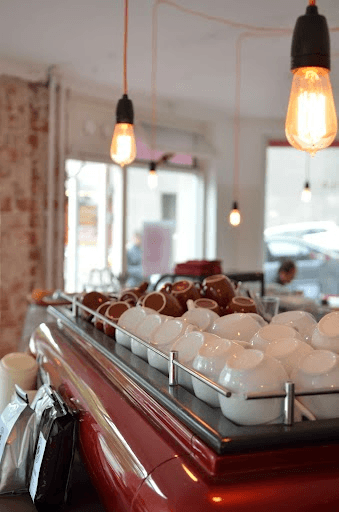
Good Life Coffee is a well-known and beloved coffee roaster in Helsinki, celebrated for its light but balanced roasts, and strong focus on quality sourcing. Sadly, they no longer run their own counter, but you can find their coffees in Sävy, a lovely coffee shop with delicious pastries, super friendly baristas—kiitos for tolerating my broken Finnish—and hosting regular events, including cupping sessions with local roasters.
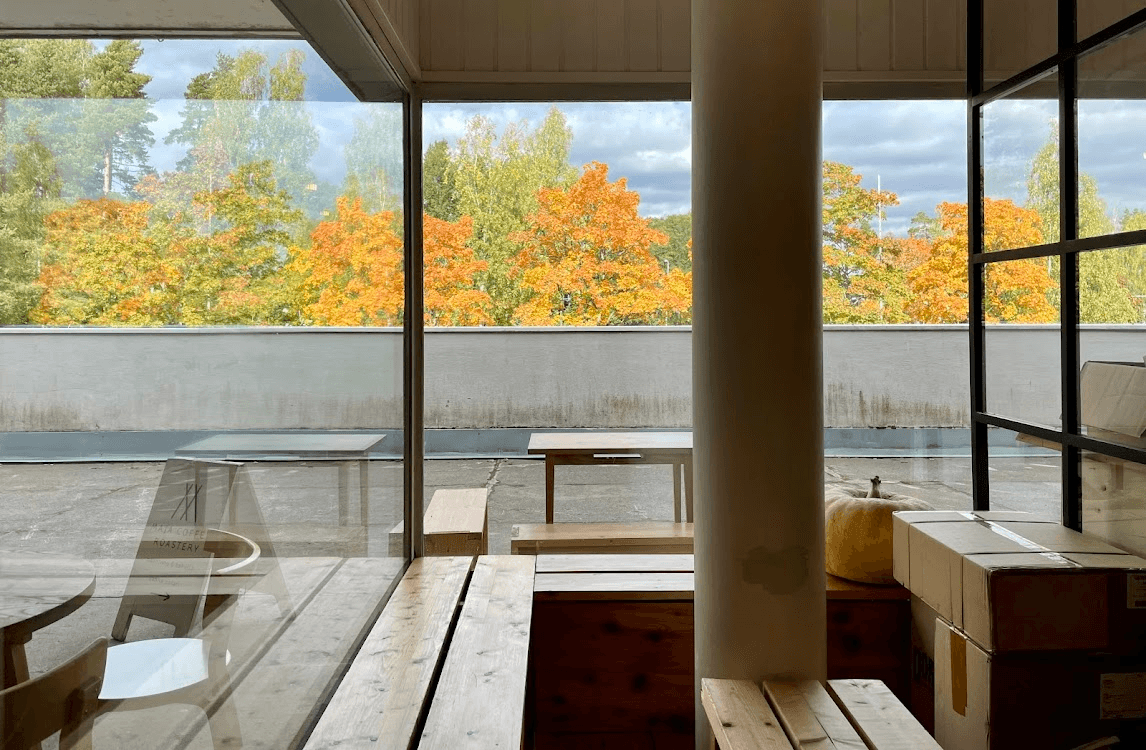
Kultuurisauna is a beautiful modern public sauna, gender-separated and naked, with dimmed lights, relaxing atmosphere, and stunning Japanese/Finnish architecture. In the gender-mixed common area, you can cool down in the sea (in swimsuits), borrow a mug to drink water, or try Maja Coffee Roastery coffees. They have a little selection of African coffees, and only serve filter coffee. Truly an out-of-time experience.